
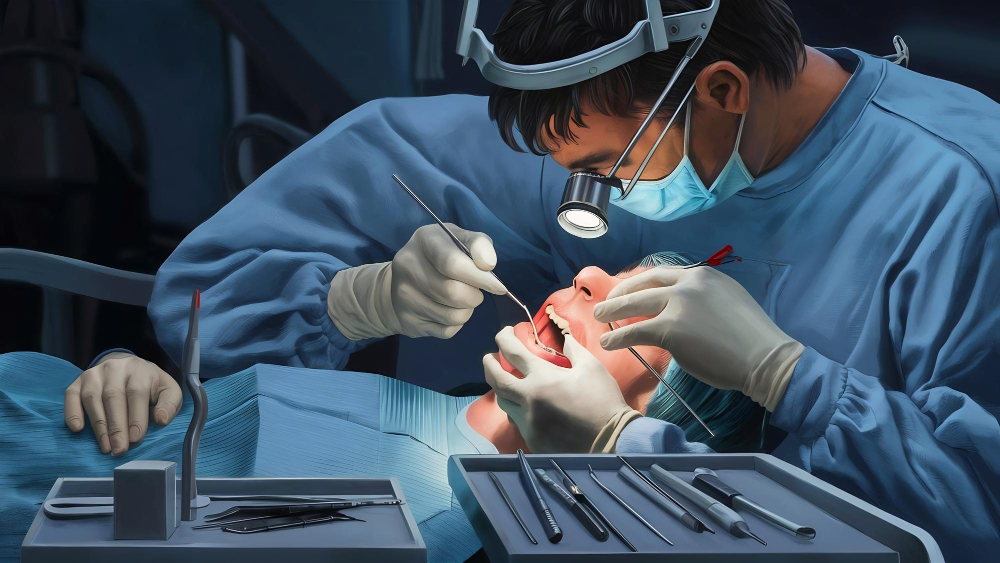
What is Maxillofacial Surgery?
Maxillofacial surgery is a special type of surgery that focuses on the face, jaw, and mouth. It treats many problems related to the bones and soft tissues in these areas. Often, people need maxillofacial surgery for injuries, infections, or growths. Because this surgery can help with both health and appearance, it is important for many patients. In fact, maxillofacial surgeons are trained to handle both simple and complex cases. For example, they may fix broken jaws or remove tumors. According to the World Health Organization, these surgeries can improve quality of life.
Common Conditions Treated
Maxillofacial surgery can help with a wide range of issues. Some of the most common conditions include:
Additionally, some people need surgery for birth defects, such as cleft lip or palate. Others may need help after an accident or injury.
Symptoms Indicating the Need for Maxillofacial Surgery
Sometimes, certain signs suggest you may need maxillofacial surgery. For instance, you should watch for:
However, not all symptoms mean you need surgery. Still, if you notice any of these signs, it is wise to see a dental or medical professional.
Diagnosis and Evaluation Process
First, your doctor or dentist will ask about your symptoms and medical history. Next, they will examine your face, mouth, and jaw. Often, they use X-rays or CT scans to get a clear picture of the problem. Sometimes, blood tests or tissue samples may be needed. Because each case is different, your care team will choose the best tests for you. After the evaluation, they will explain your diagnosis and discuss possible treatments.
Treatment Options and Surgical Procedures
Maxillofacial surgery offers many treatment options. The right choice depends on your condition. Some common procedures include:
In some cases, surgery is done in a hospital. Other times, it can be performed in a clinic. Your surgeon will explain what to expect before, during, and after the procedure.
Recovery and Aftercare Tips
After maxillofacial surgery, recovery is important. Here are some tips to help you heal:
Usually, swelling and discomfort improve within a few days. However, full recovery may take several weeks. If you notice fever, severe pain, or unusual swelling, contact your doctor right away.
Prevention and Lifestyle Guidance
While not all maxillofacial problems can be prevented, you can lower your risk by:
Moreover, early treatment of dental problems can help prevent serious issues. Staying healthy and safe can reduce your need for surgery in the future.
Conclusion
Maxillofacial surgery can treat many conditions of the face, mouth, and jaw. Because early care leads to better results, do not ignore symptoms. Consult Dr. Shahzaib, a maxillofacial specialist, for personalized advice tailored to your needs.