
Introduction
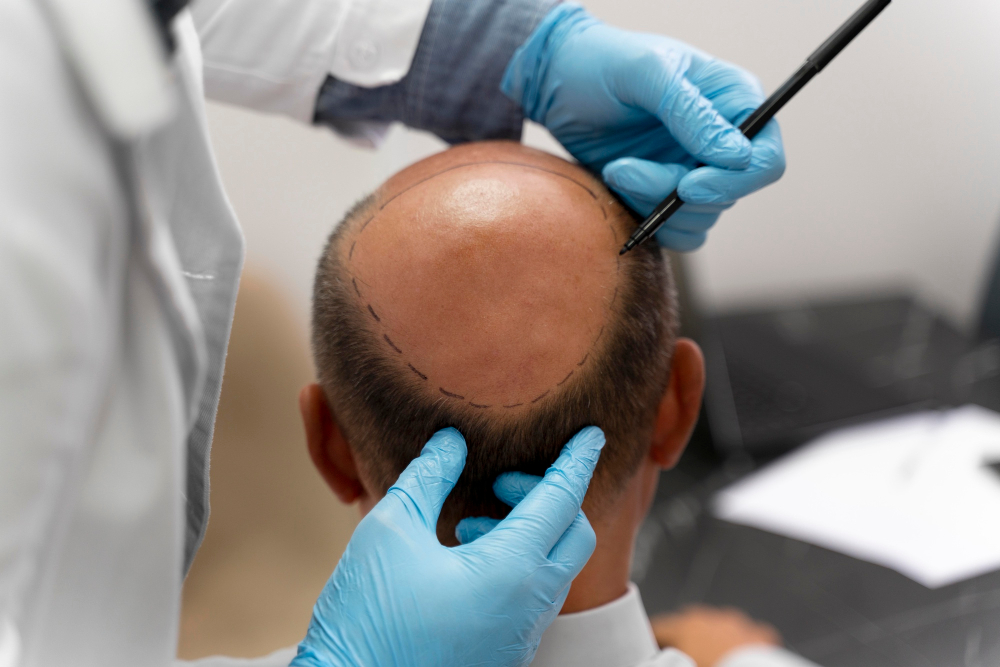
Hair transplantation is a medical procedure that moves hair from one part of the body to areas with thinning or no hair. Many people choose this treatment as a permanent hair loss solution. In fact, hair transplantation can help restore confidence and improve appearance. If you are thinking about hair restoration surgery, this guide will help you understand the process, benefits, risks, and recovery tips.
What is Hair Transplantation?
Hair transplantation is a type of hair restoration surgery. During this procedure, doctors take healthy hair follicles from a donor area, usually the back or sides of the head. Then, they place these follicles into areas where hair is thin or missing. As a result, new hair grows in these spots, making the hair look fuller and more natural. This technique is often used to treat pattern baldness and other types of hair loss.
Common Causes of Hair Loss
Many factors can lead to hair loss. While some causes are temporary, others may be permanent. Understanding these reasons can help you decide if hair transplantation is right for you. Common causes include:
Who is a Good Candidate for Hair Transplantation?
Not everyone is a good candidate for hair transplantation. However, you may be suitable if you:
On the other hand, people with widespread hair loss or certain medical conditions may not benefit as much. Therefore, it is important to consult a specialist before deciding.
Types of Hair Transplant Procedures
There are two main types of hair transplant procedures. Each has its own method and benefits. The most common techniques are:
Both methods can give natural-looking results. However, the choice depends on your needs and the doctor’s advice.
Step-by-Step Hair Transplantation Process
Although each clinic may have its own steps, most hair transplant surgeries follow a similar process:
Most procedures take several hours. However, you can usually go home the same day.
Benefits of Hair Transplantation
Hair transplantation offers many advantages. For example, it can:
Moreover, most people are satisfied with their new hair growth.
Potential Risks and Side Effects
Like any surgery, hair transplantation has some risks. Although most side effects are mild, it is important to know them. Possible risks include:
However, choosing an experienced doctor can reduce these risks.
Recovery and Aftercare Tips
Proper aftercare is important for a smooth recovery. Here are some helpful hair transplant recovery tips:
With good care, most people return to normal activities within a week.
Prevention and Maintenance of Hair Health
Even after a successful hair transplant, it is important to care for your hair. For example, you can:
These steps can help maintain your results and keep your hair healthy.
Conclusion
Hair transplantation is a safe and effective way to restore hair and confidence. However, it is important to understand the procedure, benefits, risks, and recovery process. Achieve the best results with Dr. Shahzaib’s personalized hair restoration treatments—consult today for expert guidance.
Sources: World Health Organization (WHO), American Academy of Dermatology, PubMed