Introduction
Rhinoplasty, often called a nose job, is a surgery that changes the shape of the nose. Many people choose rhinoplasty to improve how their nose looks or to fix breathing problems. Because it is a common procedure, it is important to know what to expect. In this blog, you will learn about rhinoplasty, its reasons, recovery, risks, and how to choose the right surgeon.
Reasons for Rhinoplasty
People seek rhinoplasty for different reasons. Sometimes, it is for health. Other times, it is for appearance. Here are the main reasons:
Additionally, rhinoplasty can repair damage from accidents or birth defects. No matter the reason, it is important to have clear goals.
Who is a Good Candidate?
Not everyone is a good fit for rhinoplasty surgery. However, you may be a good candidate if:
Before surgery, your doctor will check your health and talk about your goals. This helps make sure rhinoplasty is right for you.
The Rhinoplasty Procedure
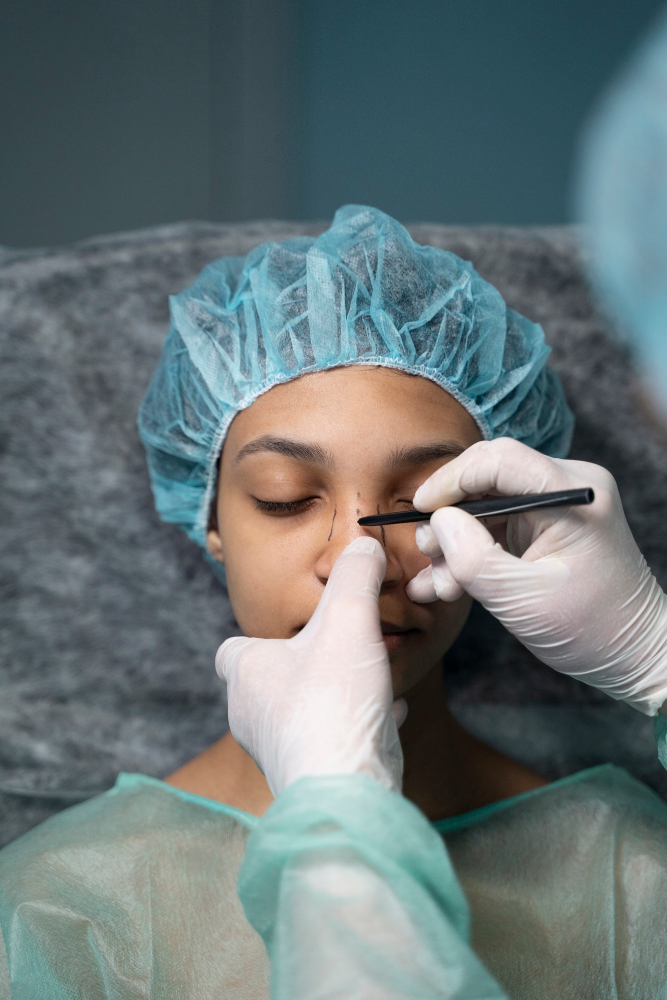
Rhinoplasty surgery usually takes one to three hours. First, the surgeon gives you anesthesia so you do not feel pain. Next, the surgeon makes small cuts inside or around the nose. Then, they reshape the bone and cartilage to get the desired look or function. Sometimes, they add tissue or use grafts for support. Finally, the surgeon closes the cuts and places a splint on your nose. This helps keep the new shape while you heal.
Recovery and Aftercare
After rhinoplasty, recovery takes time. Most people go home the same day. However, you will need to rest for a week or more. Here are some key points about nose job recovery:
Always follow your surgeon’s instructions for the best outcome. If you notice severe pain or signs of infection, contact your doctor right away.
Risks and Potential Complications
Like any surgery, rhinoplasty has risks. Although most people recover well, you should know about possible problems. These include:
However, choosing a skilled surgeon can lower these risks. The CDC and medical journals note that following aftercare instructions also helps prevent complications.
Expected Results and Longevity
Most people are happy with their rhinoplasty results. While you may see changes right away, swelling can hide the final look for months. Usually, the new nose shape lasts for many years. In rare cases, a second surgery may be needed for touch-ups. Still, with proper care, your results should be long-lasting.
Tips for Choosing a Qualified Surgeon
Choosing the right rhinoplasty surgeon is very important. Here are some tips to help you decide:
Additionally, do not be afraid to ask questions about the procedure, recovery, and rhinoplasty risks.
Frequently Asked Questions
In summary, rhinoplasty can improve both appearance and function. However, it is important to know the facts and choose a skilled surgeon. Considering rhinoplasty? Consult Dr. Shahzaib for expert and personalized advice.