
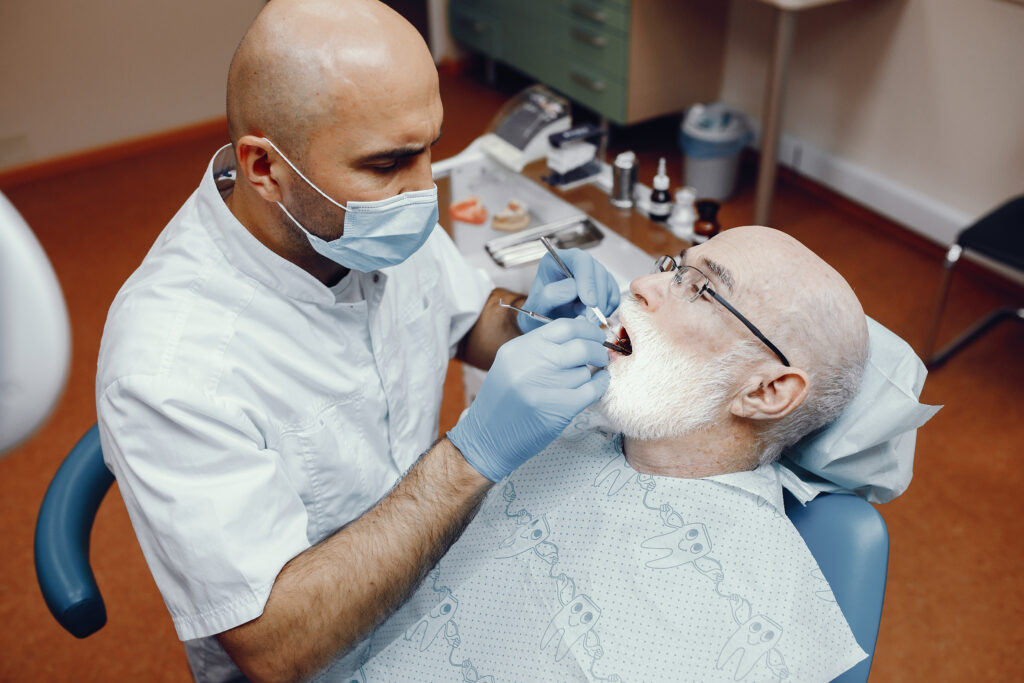
Introduction
Bone grafting for dental implants is a common procedure. It helps people who do not have enough bone in their jaw. Without enough bone, dental implants may not stay in place. Therefore, bone grafting is important for dental implant preparation. Dentists use this method to make sure your new teeth are strong and stable. Many people need bone grafting before getting dental implants. This blog will explain why and how bone grafting works.
Symptoms or Signs Indicating the Need for Bone Grafting
Sometimes, your dentist may tell you that you need a bone graft. But how do you know if you might need one? Here are some signs:
If you notice any of these, talk to your dentist. Early action can help improve your dental implant success.
Causes of Bone Loss Requiring Grafting
Bone loss in the jaw can happen for many reasons. For example, losing a tooth and not replacing it can cause bone to shrink. In addition, gum disease can damage the bone around your teeth. Sometimes, injury or trauma to the mouth leads to bone loss. Other times, certain health conditions or infections weaken the jawbone. As a result, bone grafting for dental implants becomes necessary to rebuild the area.
Diagnosis and Evaluation Process
First, your dentist will check your mouth and ask about your health. Next, they will take dental X-rays or 3D scans. These images help your dentist see how much bone you have. Sometimes, they may also take a CT scan for a clearer view. After reviewing the results, your dentist will decide if you need a dental bone graft procedure. They will also discuss the best type of graft for you.
Types of Bone Grafts Used in Dental Implants
There are several types of bone grafts used in dental implant preparation. Each type has its own benefits. Your dentist will choose the best one for your needs. Common types include:
Each option helps support the dental implant and encourages new bone growth.
Step-by-Step Overview of the Bone Grafting Procedure
Understanding the dental bone graft procedure can ease your worries. Here is a simple step-by-step overview:
The whole process usually takes less than an hour. However, larger grafts may take longer. After the procedure, you can go home the same day.
Recovery, Aftercare, and Potential Risks
Recovery after dental bone graft is important for success. Most people feel mild discomfort, swelling, or bruising. These symptoms usually go away in a few days. To help healing, your dentist may suggest:
Although bone grafting is safe, there are some risks. For example, infection, bleeding, or graft failure can happen. However, these problems are rare. Always follow your dentist’s aftercare instructions to lower your risk.
Benefits of Bone Grafting for Successful Dental Implants
Bone grafting for dental implants offers many benefits. First, it gives your new teeth a strong foundation. This means your implants will last longer and work better. In addition, bone grafting can improve your appearance by restoring your jaw shape. It also helps prevent further bone loss. Because of these benefits, many dentists recommend bone grafting as part of dental implant preparation.
Prevention and Oral Health Tips
Good oral health can help prevent bone loss. Here are some tips to protect your teeth and jaw:
By following these tips, you can lower your risk of needing a dental bone graft procedure in the future.
Conclusion
Bone grafting for dental implants is a safe and effective way to prepare your jaw for new teeth. If you think you may need a bone graft, talk to your dentist. They can guide you through the diagnosis, procedure, and recovery. For the best results, always follow your dentist’s advice and maintain good oral health. Consult a dental specialist Dr. Shahzaib for personalized care and answers to your questions.