Hair loss can affect confidence and self-image. Advanced hair transplant techniques now offer hope for those seeking natural hair restoration. These methods focus on hair density, the angle of hair placement, and achieving natural results. In this blog, you will learn how these advanced techniques work and what you can expect from the process.
What Are Advanced Hair Transplant Techniques?
Advanced hair transplant techniques use modern tools and methods to restore hair. Unlike older methods, these focus on creating a natural look. For example, doctors now use special devices to place hair one by one. This helps match your natural hair pattern. In addition, these techniques can improve hair density and the angle of each hair. As a result, the outcome looks more real and blends with your existing hair.
Importance of Density in Hair Transplants
Hair density means how many hairs grow in a certain area. High density makes hair look fuller and healthier. However, getting the right density is not easy. Surgeons must carefully plan how many hairs to place in each spot. If density is too low, the scalp may show. On the other hand, too much density can harm the scalp. Therefore, skilled doctors balance density for the best results. Studies show that proper density is key for a natural look (Source: PubMed).
Role of Angle in Achieving Natural Results
The angle at which hair grows is very important. Natural hair does not grow straight up. Instead, it grows at a slight angle. Advanced hair transplant techniques pay close attention to this detail. Surgeons place each hair at the right angle to match your natural pattern. As a result, the new hair blends in and looks real. For example, the hairline and crown need special care with angles. This step helps avoid a fake or “pluggy” look.
Step-by-Step Overview of the Procedure
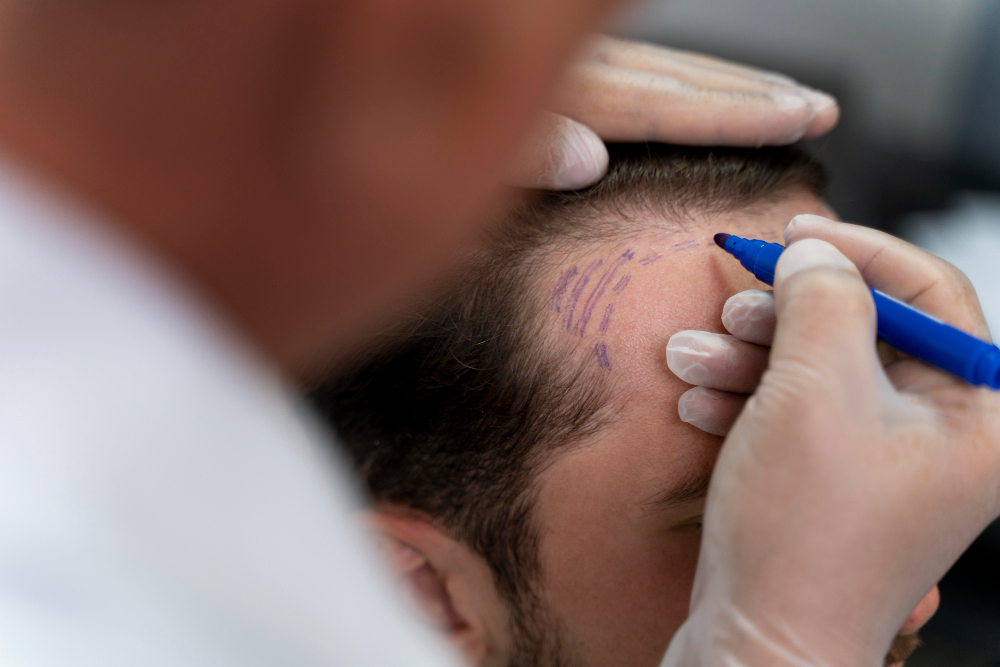
Understanding the process can help you feel more comfortable. Here is a simple overview:
Benefits and Expected Outcomes
Advanced hair transplant techniques offer many benefits. For instance, you can expect:
Moreover, most people feel more confident after the procedure. According to the American Academy of Dermatology, modern hair transplants are safe and effective for many people.
Risks and Considerations
Although advanced techniques are safe, there are still some risks. For example, you may notice:
However, choosing a skilled and certified surgeon lowers these risks. Always follow your doctor’s advice for the best outcome. The World Health Organization recommends choosing clinics with trained professionals.
Aftercare and Recovery Tips
Proper aftercare helps your new hair grow well. Here are some tips:
Additionally, attend all follow-up visits. This helps your doctor check your progress and answer any questions.
Frequently Asked Questions
In summary, advanced hair transplant techniques focus on density, angle, and natural results. These methods can restore your hair and boost your confidence. For the best advice, consult Dr. Shahzaib.